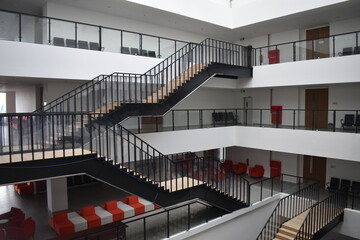
Metal Stairs Railings for commercial buildings are more than just safety features. They can also be designed for style and beauty.
Choose from a variety of metals. Steel holds up well in harsh weather environments and has a higher tensile strength than aluminum. Choose a polished stainless steel to add a modern look or select a powder-coated color for an industrial aesthetic.
Durability
Whether used in outdoor spaces like staircases and balconies or indoors as handrails for stairs, elevators, and other elevated walkways, commercial railings must meet high standards for durability and resilience. Staircase railings need to withstand the impact of heavy foot traffic, while balcony and parapet railings must be able to withstand weather exposure throughout the year. Working with a steel railings company that has a deep understanding of building codes and regulations, as well as the nuances of different steel types, can help you make sure your railings are built to last.
Many of the most popular options for metal stair railings are known for their strength, modern aesthetic, and versatility. Wrought iron railings, for example, can be customized with a wide variety of design styles and colors, and can be used to complement other architectural features in any space. Other metal stair railings, such as aluminum and stainless steel, are also highly durable and easy to maintain. They can be powder-coated or anodized to minimize the need for ongoing maintenance and protect them from corrosion and fading.
In addition to their superior structural integrity, metal stair railings for commercial buildings are designed to withstand the impact of foot traffic and other environmental factors. For instance, aluminum and stainless steel are resistant to corrosion from weather damage, salty air, and other common contaminants. They can also be finished with a variety of coatings that add extra protection and enhance the aesthetic appeal.
Other metal stair railings, such like cable railings, are often chosen for their minimalist style. These can be used in indoor and outdoor spaces to provide safety without blocking views, and are ideal for contemporary and industrial designs. However, they are not suitable for traditional or ornate design styles and may require a special installation process.
Steel stair railings are also an extremely durable option for commercial buildings. They can withstand the impact of heavy foot traffic and other environmental factors, but they must be properly maintained to ensure longevity. This includes regularly re-coating or re-painting to protect them from corrosion and other damage. If you decide to go with a steel railing, work with a trusted supplier that understands the needs of a commercial setting.
Safety
Metal railings help prevent accidents in high-traffic areas. They act as a physical barrier to stop slips and falls, especially on stairs and balconies where people may lose their balance during a fast descent or while carrying heavy loads. Durable materials like stainless steel and aluminum offer the necessary strength to hold up against regular wear and tear. This makes them the ideal choice for commercial buildings and industrial settings, where safety is a top priority.
Stair and balcony railings are often required by local building codes to meet specific safety requirements. These codes typically outline railing height, material, and spacing standards for optimal functionality. This helps prevent accidents and ensures that the stair railings are safe for occupants during normal use and in emergencies.
The right railings also play a vital role in home fire safety, guiding individuals during evacuations and providing support as they escape through hazardous environments. They must be high enough to prevent falls during rapid descents on stairs, yet sturdy enough to provide a firm grip in emergency situations where visibility might be limited. They must also be continuous and graspable for their entire length to prevent tripping or falling in potentially chaotic situations.
Durable metals like steel and aluminum are ideal for stair railings in residential, commercial, and industrial settings, as they provide excellent strength and resistance to damage and corrosion. These durable materials are also easy to maintain, with only occasional cleaning and refinishing required. In addition, metal stair railings are available in a variety of finishes that can be customized to suit any style.
For a more modern look, consider choosing metal stair railings that feature glass panels and stainless-steel posts. These railings offer a sleek appearance that is ideal for contemporary homes and offices. In addition, they can be easily matched with a wide range of design elements like wrought iron balusters, sawn railings, or curved staircases.
Convenience
Stair railings are a vital safety feature in commercial spaces, especially for those with elevated levels and stairs. They prevent falls and offer support, helping to keep employees and patrons safe. They also help to ensure that your business complies with local codes and standards. The right railings will provide both durability and style, and can be customized to meet your specific needs and aesthetic.
Steel is one of the most common materials for stair railings, and it has a high tensile strength that makes it resistant to corrosion. It is also relatively affordable. However, it can be prone to rust when exposed to the elements, so you may want to consider stainless steel if you are going to install a metal stair railing outdoors. This type of steel contains nitrogen, nickel, molybdenum, and chromium, which make it rust-resistant.
Another advantage of steel is that it’s very strong and durable, and it can withstand heavy loads without suffering damage. It also resists bending, which is important because it’s often used to support parapet railings that run along rooftops and other elevated areas.
Aluminium is a lighter and more flexible material than steel, which means it can be easily bent and formed into different shapes. This flexibility also makes it easier to use for stairs, as you can create unique designs and layouts that fit your building.
Aside from being easy to install, aluminum is also highly corrosion-resistant. It can withstand harsh weather conditions, making it ideal for outdoor installations. This material also has a sleek and contemporary appearance, which can complement the design of any modern building.
While wood is a popular choice for handrails, it’s also susceptible to rot and other issues. It can also be difficult to maintain, requiring routine painting and sealing. In contrast, metal and steel are highly resistant to these problems and require minimal maintenance.
Aside from preventing falls, metal stair railings can also add to the look of your building. They are available in a wide range of styles, colors, and finishes to complement any architectural design. They are also flexible enough to be welded into various shapes and sizes for custom applications, allowing you to create an aesthetic that suits your company’s brand or decor theme.
Customization
Stair railings are more than just safety features in a commercial space. They also set the tone of a building and add beauty and elegance. Metal stair railings are durable and long-lasting, and they’re available in a wide range of styles to suit any design theme. From classic wrought iron to modern cable railing, these options provide style and strength while meeting code requirements for safety.
While residential stair railing projects typically focus on personal preferences and architectural details, commercial projects are often larger in scale and more complex. In addition, commercial stair railing projects must often adhere to budgets and timelines that match those of other construction phases. As a result, it’s important to balance customization and standardization when creating commercial railing systems.
To create a consistent look, many commercial buildings opt for a single railing system that can be applied throughout the facility. This allows for easier maintenance and consistency in aesthetics. It’s also a great option for those who want to save on installation costs.
Commercial staircases are often exposed to more environmental factors than residential ones, such as harsh weather conditions and high levels of humidity. Choosing the right railing material is crucial to ensure durability. Stainless steel and galvanized steel are ideal for commercial egress stairs and balconies, as they resist corrosion and can withstand heavy use. For additional protection, a finish like powder-coating is an excellent choice.
The type of handrail also affects the railing’s functionality and appearance. For example, a wrought iron railing offers a classically elegant appeal and may be paired with natural wood accents for a more traditional appearance. However, some commercial properties choose a more modern appearance and may opt for a glass or metal panel railing instead.
Wall mounted handrails are another type of stair railing that can be used in commercial spaces. They are secured to the wall using brackets and can be paired with a variety of baluster materials, including steel, aluminum, and wrought iron. They are commonly seen in restaurants and retail stores, but can be used in any type of building.